


Cebu City: From Sugbu to a Modern Metropolis
Cebu City layers centuries on top of each other. A modern business district, a colonial fort, an active port and streets carrying deep historical memory can all sit within a short walk of each other.
What you’ll learn
The bigger picture before you dive in
Why Cebu City was important before colonial rule.
How the colonial centre still shapes the modern city.
Why listening to everyday Bisaya reveals a different Cebu City.
A port before it was a colonial city
Sugbu’s importance started before Spanish rule. Maritime trade connected the settlement to regional networks and gave Cebu a strategic position in the central Philippines. The city’s relationship with shipping and island-to-island movement is still visible today.
Cebu City’s long relationship with the sea is one of the keys to its importance. The harbour offered access to regional trade, and that geography continued to matter under Spanish and later American rule. Even today, ferries, cargo traffic and inter-island travel help define the city’s role as a gateway to the central Philippines.
The colonial core
After the 1565 Spanish settlement, Cebu became a colonial centre. Fort San Pedro, Plaza Independencia, the Basilica area and the Magellan Cross pavilion preserve parts of that history within the modern city.
The old colonial core is not isolated from modern life. Fort San Pedro, the Basilica area, Magellan’s Cross and nearby streets sit inside a busy urban environment. This creates an unusual experience: major historical sites are not distant ruins but part of the everyday city. Understanding the history makes walking through central Cebu far more meaningful.
A chartered city and regional centre
Cebu City’s official history records its charter in the 1930s. Post-war growth strengthened its role as a major economic and urban centre in the Visayas, while Cebuano stayed central to everyday local identity.
Twentieth-century urban growth brought new roads, districts, businesses and migration from surrounding towns and islands. Cebu City became a major centre for education, commerce and services. That growth also increased the mixture of people and accents in the city, although Cebuano remained a powerful marker of local belonging.
A city best heard as well as seen
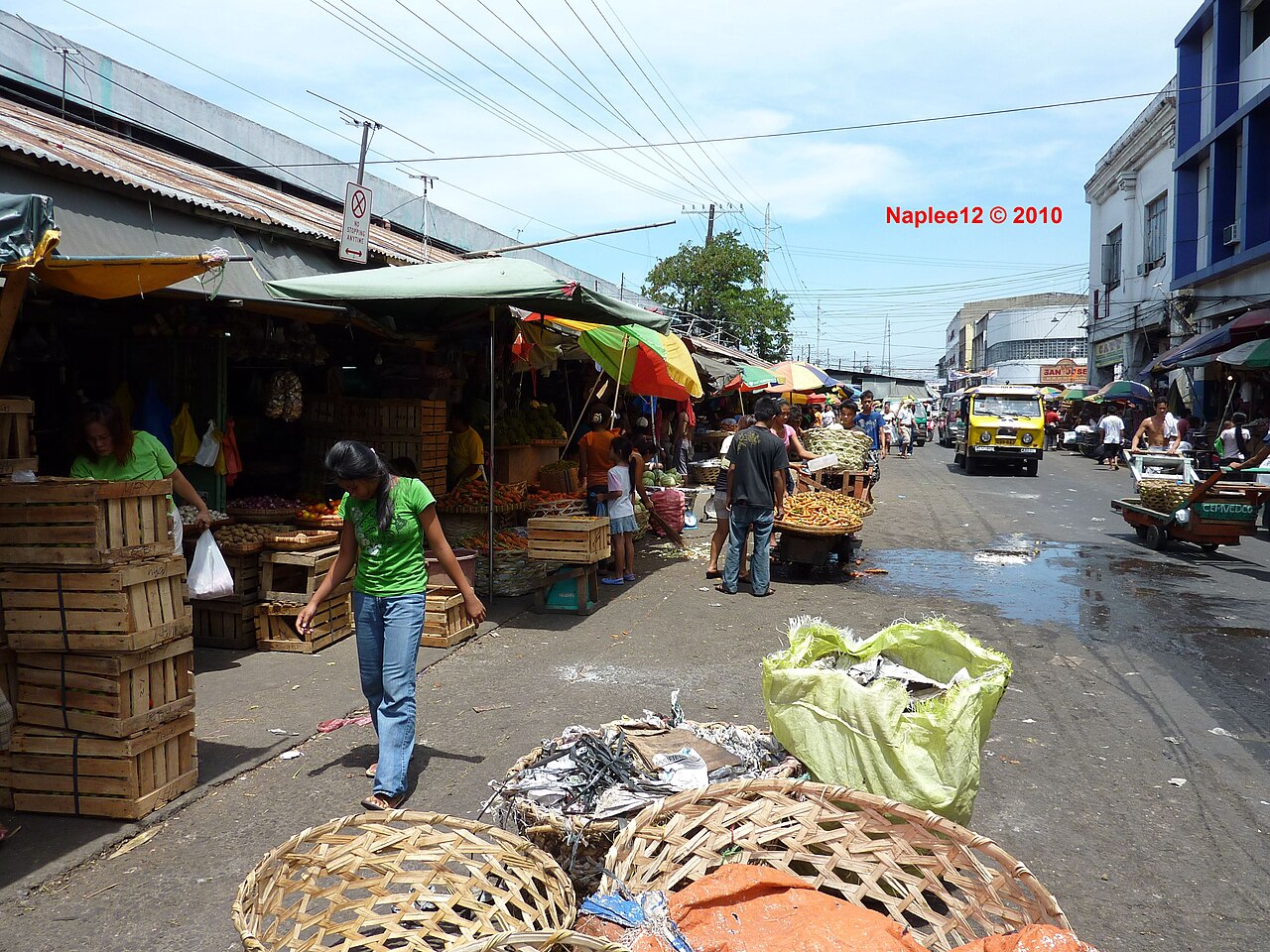
Visitors notice traffic and towers first. Listen longer and another city appears: vendors negotiating, passengers giving directions, friends joking in Bisaya. Understanding even fragments of that conversation changes how the city feels.
A visitor who only reads signs and tourist information experiences one layer of Cebu City. A learner who begins to understand conversations hears another: jokes between colleagues, bargaining in markets, family discussions and directions shouted across a jeepney stop. Language turns the city from scenery into social life.
The key takeaway
Cebu City makes more sense when you read its streets historically and listen to them linguistically.
Speak like you are there
Useful Bisaya from this story
Turn the story into something you can say.
Discovering Cebuano culture makes the language memorable. Speak Bisaya connects that context to pronunciation, stories, practical phrases and structured learning.
Keep exploring
Cebu
Cebu: The Island Where History and Bisaya Meet
Cebu from precolonial Sugbu through 1521 and 1565 to the modern island where Cebuano/Bisaya remains part of daily life.
Read nextCebu
Mandaue and Lapu-Lapu City: Metro Cebu Beyond Cebu City
Two major urban centres that help make Metro Cebu a connected city-region across the Mactan Channel.
Read nextCulture
The Sinulog Festival: History, Meaning and the Bisaya You Hear
The religious roots, dance tradition and modern spectacle of Cebu’s Sinulog Festival, plus useful Bisaya words for visitors.
Read next