


Mandaue and Lapu-Lapu City: Metro Cebu Beyond Cebu City
Cebu City is only one part of the urban story. Cross the bridges or travel north and the cityscape continues into Mandaue and Lapu-Lapu, each with its own identity.
What you’ll learn
The bigger picture before you dive in
How Mandaue, Cebu City and Lapu-Lapu form one connected urban region.
Why Mactan combines major history with modern transport and tourism.
How bridges physically changed everyday movement across Metro Cebu.
Mandaue links the mainland
Mandaue sits beside Cebu City and is closely tied to transport, commerce and industry. To a visitor the built-up area can feel continuous, but Mandaue has its own civic identity and neighbourhood life.
Mandaue is sometimes overlooked by visitors because the urban fabric flows almost seamlessly into Cebu City. Yet it has its own neighbourhoods, businesses and civic identity. Its location between Cebu City and the bridges to Mactan makes it a crucial transport and commercial link in the wider metropolitan area.
Lapu-Lapu City and Mactan Island
Across the Mactan Channel, Lapu-Lapu City includes the historic landscape associated with the 1521 Battle of Mactan alongside modern residential districts, resorts and the international airport.
Lapu-Lapu City combines two very different images of Cebu: the historical landscape of Mactan and the modern gateway of the international airport and resort coast. That contrast is useful for understanding how cities evolve. A place remembered globally for a sixteenth-century battle is also where millions of modern journeys to Cebu begin.
One connected region, many communities
Bridges, commuting and family networks bind Metro Cebu together. Cebuano/Bisaya is heard throughout this urban area, even as English and Filipino are also common.
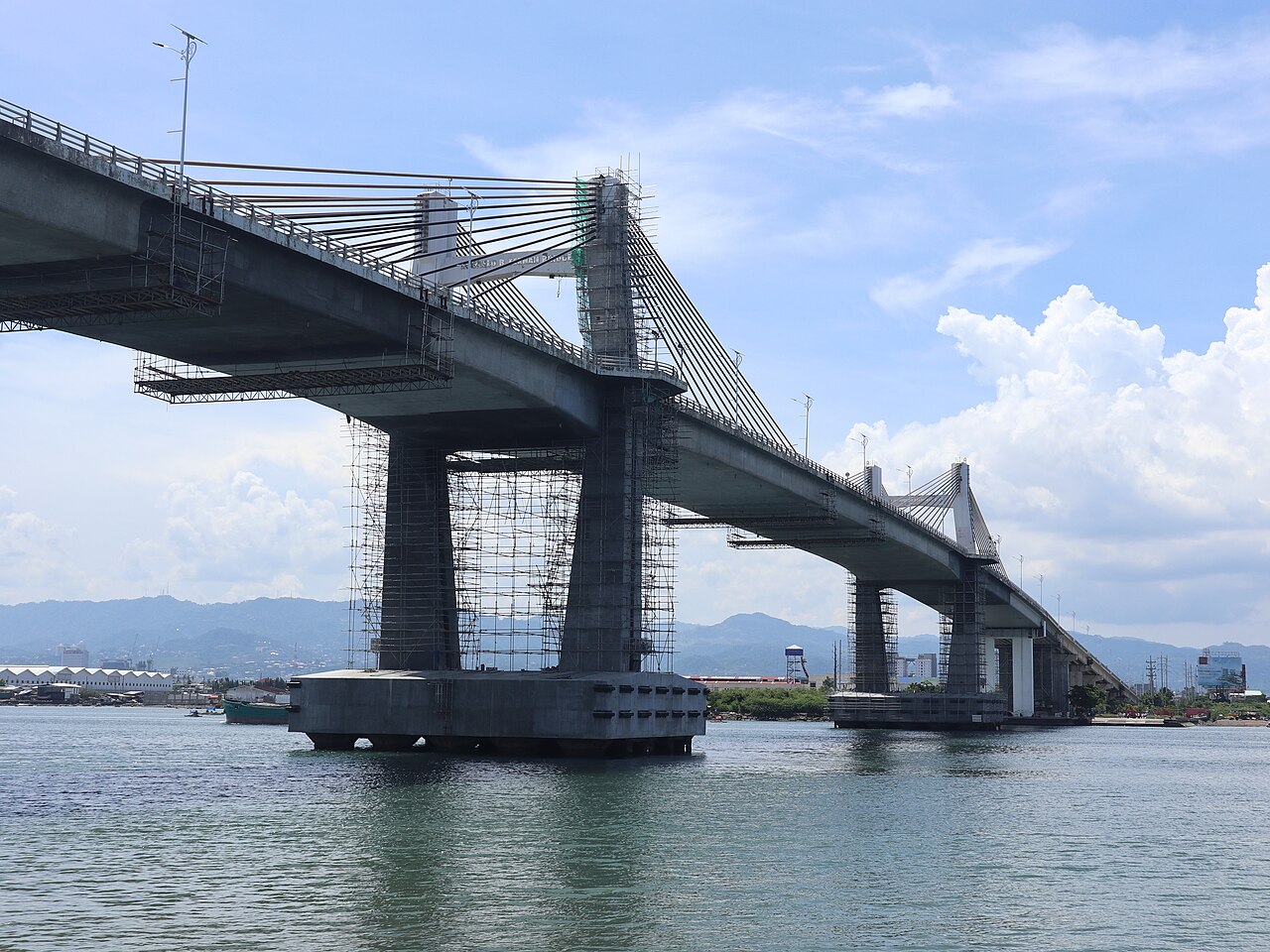
The bridges across the Mactan Channel transformed movement between the mainland and Mactan. Commuting, freight, tourism and airport access all depend on these links. For a language learner, crossing the bridges changes scenery but not the usefulness of Bisaya; Cebuano remains part of everyday conversation across the whole metropolitan area.
The key takeaway
Metro Cebu works as a connected urban system, but each city inside it retains its own history and identity.
Speak like you are there
Useful Bisaya from this story
Turn the story into something you can say.
Discovering Cebuano culture makes the language memorable. Speak Bisaya connects that context to pronunciation, stories, practical phrases and structured learning.
Keep exploring
Cebu
Cebu City: From Sugbu to a Modern Metropolis
The colourful history of Cebu City from the precolonial port of Sugbu through Spanish settlement and twentieth-century urban growth.
Read nextHistory
The Battle of Mactan: What Happened in 1521?
A source-based account of the Battle of Mactan on 27 April 1521, where Lapulapu’s forces fought Magellan’s expedition.
Read nextHistory
Lapulapu: The Man, the History and the Legend
Separating documented facts about Lapulapu from later legend, and why the Mactan leader became a national symbol.
Read next