


The Battle of Mactan: What Happened in 1521?
The Battle of Mactan is often reduced to one sentence: Lapulapu defeated Magellan. The real event was part of a more complicated local situation involving alliances, rivalries and an expedition trying to impose authority.
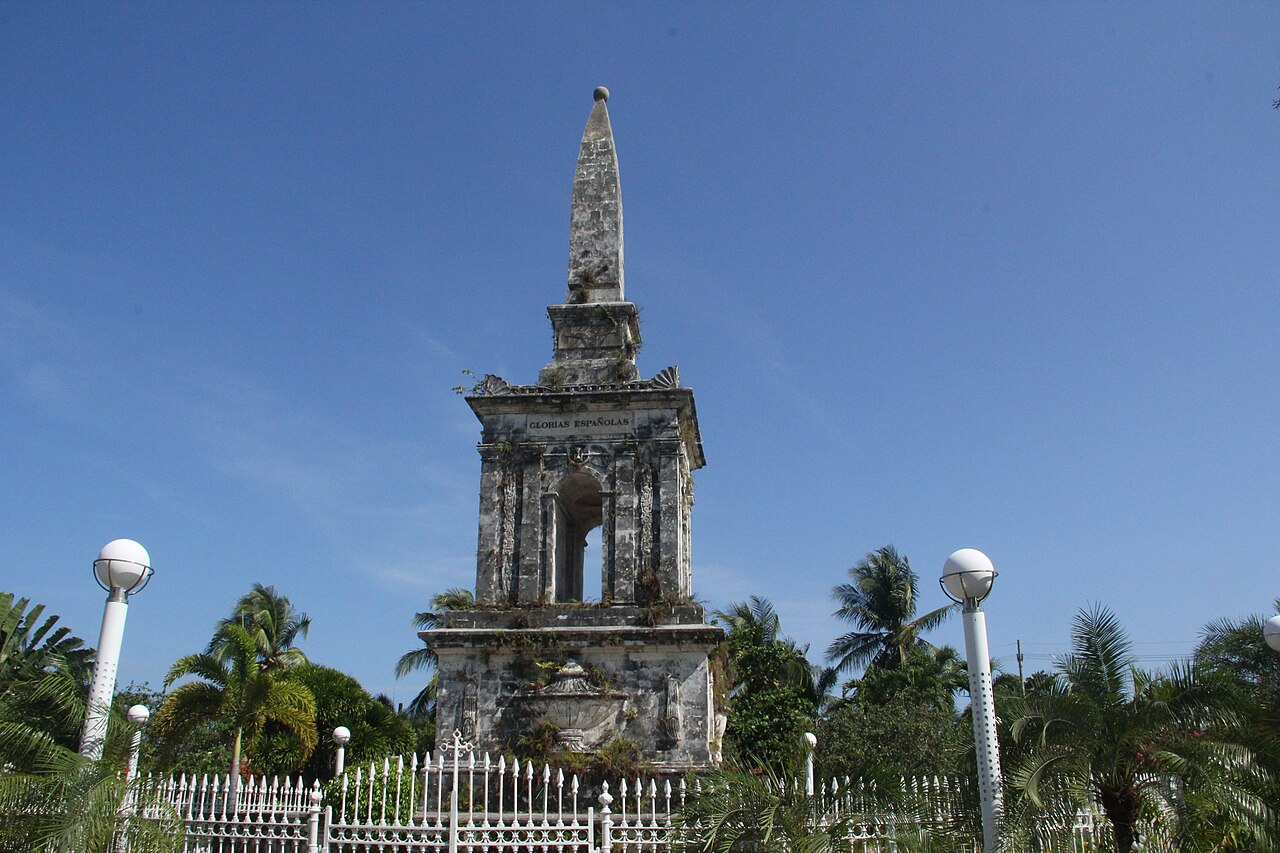
What you’ll learn
The bigger picture before you dive in
What led Magellan’s force to Mactan.
Why local politics are essential to understanding the battle.
How the event later became a national symbol of resistance.
The expedition reached Cebu
Ferdinand Magellan was Portuguese but sailed for the Spanish Crown. His expedition entered relations with Rajah Humabon in Cebu, where conversions and political agreements followed.
Magellan’s expedition was not simply exploring coastlines. It was seeking trade, alliances and influence on behalf of the Spanish Crown. In Cebu, the expedition formed a relationship with Rajah Humabon. That relationship pulled the Europeans into local political disputes and helps explain why Magellan eventually went to Mactan rather than simply sailing on.
Lapulapu refused the imposed authority
The NHCP marker describes Lapulapu as one of Mactan’s leaders who kept his community’s independence and refused the authority Magellan tried to impose through the Spanish king and Humabon.
Lapulapu’s refusal mattered because Magellan was attempting to turn a local alliance into wider political submission. Mactan was not merely an empty island under Humabon’s uncontested authority. Local leadership and rivalry shaped the situation, and Lapulapu’s resistance demonstrated the limits of the expedition’s power.
27 April 1521
Magellan and a relatively small force landed at Mactan and fought local warriors. Shallow coastal water and the terrain made it hard for the ships to support the men on shore. Magellan was killed and the survivors withdrew.
The battle itself exposed practical weaknesses in Magellan’s position. The coastal conditions meant his men could not simply land beside the ships with overwhelming firepower. Fighting on unfamiliar ground against a larger local force reduced the technological advantage Europeans often assumed they possessed. Magellan was killed and the surviving members of his group withdrew.
History and later national meaning
Lapulapu became a powerful Philippine symbol of resistance to foreign domination. Historians also caution against projecting a fully formed modern nationalism onto a sixteenth-century local conflict. Both the event and its later meaning matter.
Centuries later, the battle acquired a national meaning far larger than its immediate local context. Lapulapu became celebrated as an early hero of resistance to foreign domination. Good history can hold both ideas at once: the battle was a specific sixteenth-century conflict, and later generations legitimately found powerful symbolism in it.
The key takeaway
Mactan becomes clearer when you see it as both a local political conflict in 1521 and a later national symbol.
Speak like you are there
Useful Bisaya from this story
Turn the story into something you can say.
Discovering Cebuano culture makes the language memorable. Speak Bisaya connects that context to pronunciation, stories, practical phrases and structured learning.
Keep exploring
History
Lapulapu: The Man, the History and the Legend
Separating documented facts about Lapulapu from later legend, and why the Mactan leader became a national symbol.
Read nextCebu
Cebu: The Island Where History and Bisaya Meet
Cebu from precolonial Sugbu through 1521 and 1565 to the modern island where Cebuano/Bisaya remains part of daily life.
Read nextCebu
Mandaue and Lapu-Lapu City: Metro Cebu Beyond Cebu City
Two major urban centres that help make Metro Cebu a connected city-region across the Mactan Channel.
Read next