


Fort San Pedro and the National Museum: A Cebu Waterfront History Walk
There is a lot of history packed into the few streets beside Cebu’s port. Old stone walls stand near a graceful former Customs House, and between them you can trace the city from Spanish-era defence to modern museum galleries.
Best for
History, art and a compact walking route
Travel from Cebu City
Cebu City waterfront and Plaza Independencia
Allow
2–4 hours
Two buildings, two very different eras
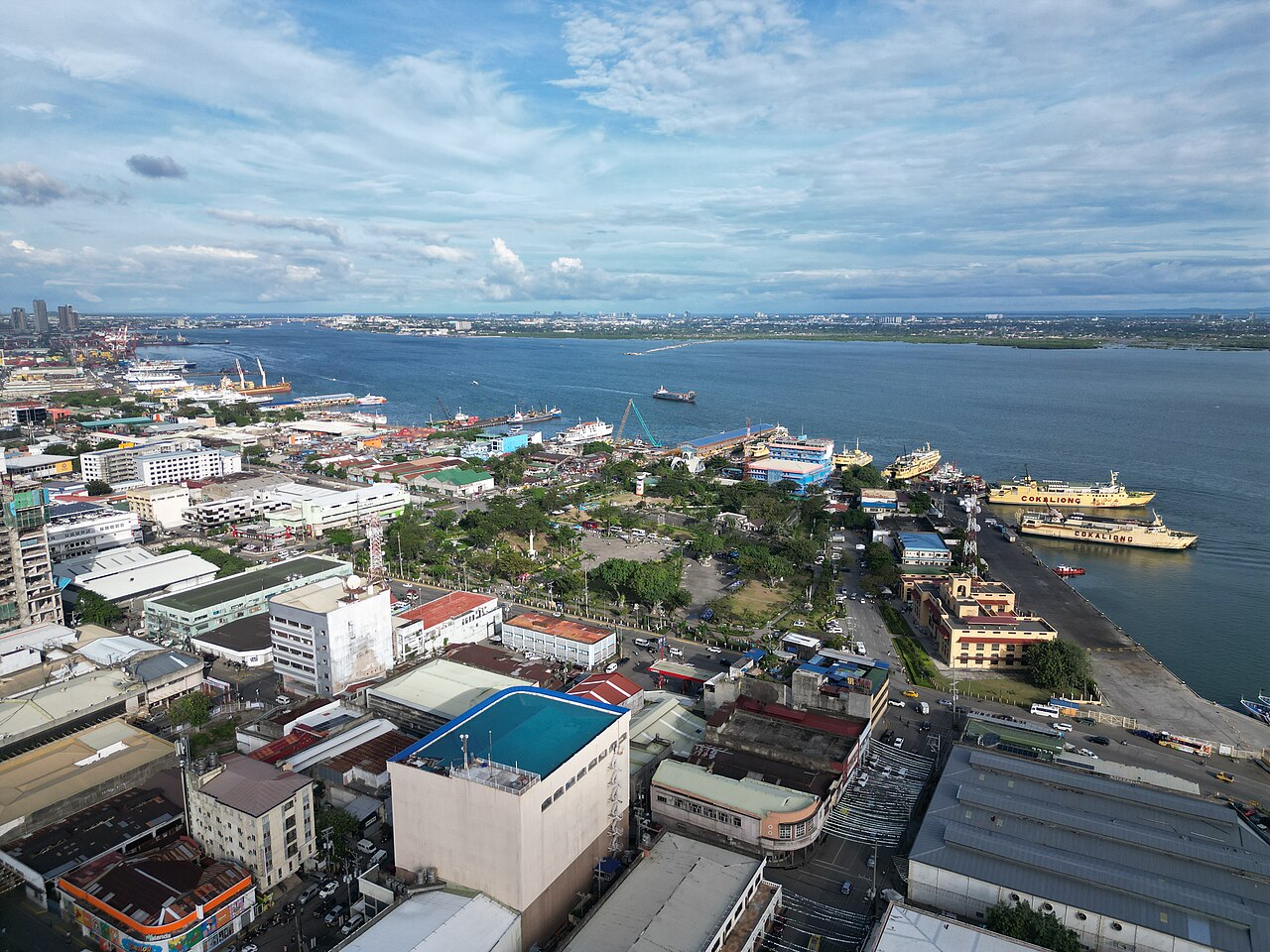
Start at Plaza Independencia, with Fort San Pedro on one side and the old port district beyond. The fort is linked to the Spanish colonial period and Cebu’s role as a strategic maritime settlement. Nearby, the building that now houses the National Museum was constructed as an early-20th-century Customs House. Seeing the two close together is a reminder that Cebu was shaped by trading routes, colonial administrations and, above all, the people who lived and worked around its harbour.
Fort San Pedro: slow down inside the walls
The triangular fort is modest in size compared with grand European castles, but it rewards a thoughtful visit. Walk through the gate, notice the thick walls and look out across the grounds. It is easy to imagine the importance of this coastal position when vessels arriving by sea were the lifeblood of trade and communication. Take time to read the historical information rather than treating it as a ten-minute photograph stop.
The National Museum’s beautiful setting
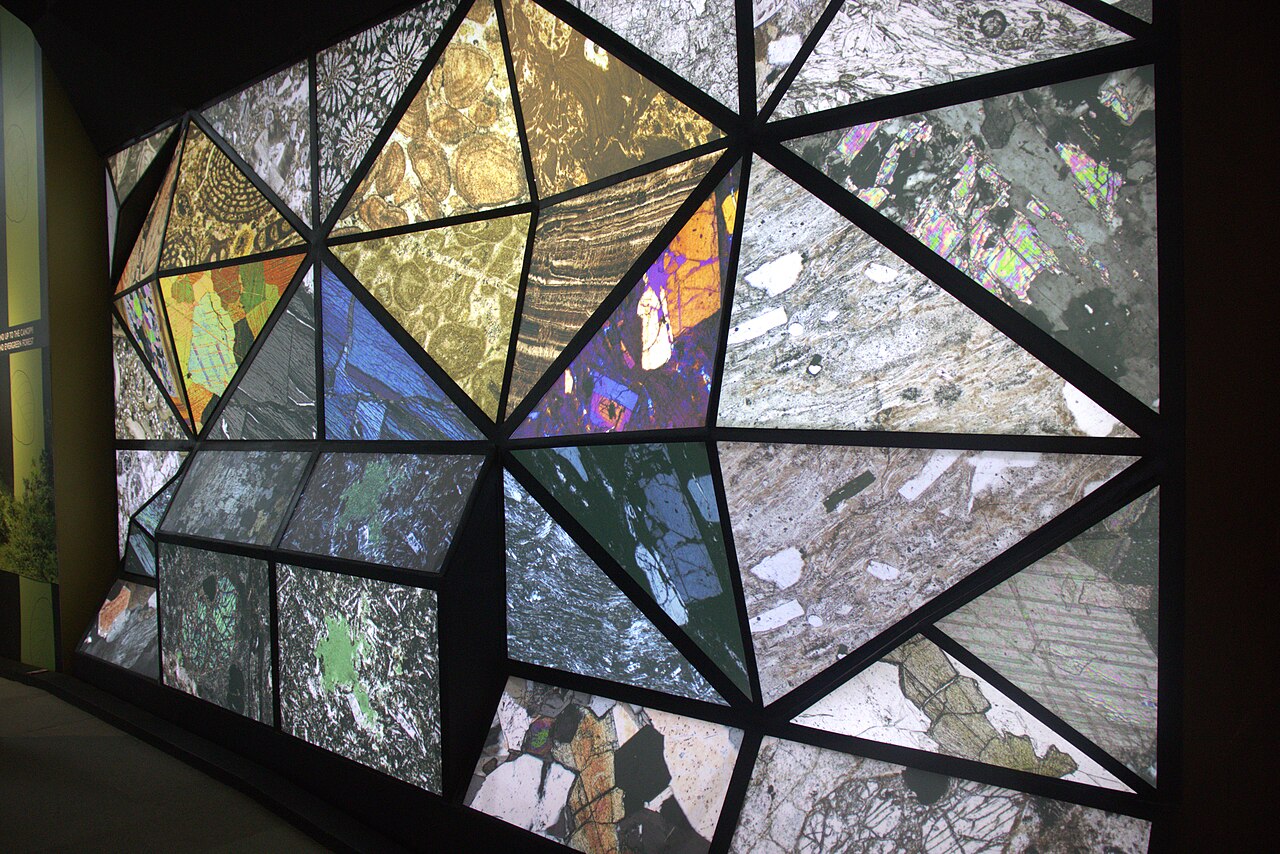
The National Museum of the Philippines – Cebu occupies the former Aduana or Customs House, built in 1910. Restored and adapted for cultural use, it is an attraction in itself. The museum houses permanent and changing galleries, so exhibitions can vary. It is a particularly good way to connect with the island’s culture and natural history beyond the standard tourist landmarks.
A visit that works in hot or rainy weather
A morning at the fort followed by museum galleries provides a sensible balance of outdoor and indoor sightseeing. Ask about opening hours and any special exhibition access before setting out. Some areas of the waterfront have busy traffic, so use marked crossings and plan your route carefully.
What to see next
The basilica and Magellan’s Cross are a short onward journey or walk depending on your mobility and the weather. If you want more context on Cebu’s story, combine this outing with the existing historic-city guide or save a second morning for the Parian heritage houses.
More photos from the location
Explore the destination through real photographs. Select a picture to open it full size.
Location and map
National Museum of the Philippines – Cebu. Map pins are approximate visitor locations; follow local signs and verify access before travelling.
© OpenStreetMap contributors. The map and directions open independently of Speak Bisaya.
Photo credits and licences
Images are credited to their original creators under their stated licences.
- National Museum of the Philippines – Cebu · Photo: CebuCityCInfo · CC0 · Original photo · Licence details
- Fort San Pedro, Cebu City · Photo: Patrickroque01 · CC BY-SA 4.0 · Original photo · Licence details
- National Museum of the Philippines – Cebu · Photo: CebuCityCInfo · CC0 · Original photo · Licence details
Speak like you are there
Useful Bisaya from this story
Turn the story into something you can say.
Discovering Cebuano culture makes the language memorable. Speak Bisaya connects that context to pronunciation, stories, practical phrases and structured learning.
Keep exploring
Cebu travel
Historic Cebu City: Magellan’s Cross, Santo Niño and Fort San Pedro
A walk through Cebu City’s most important historical landmarks, with photos, a map, cultural tips and nearby local food.
Read nextCebu travel
Museo Sugbo: Discover Cebu’s Past Inside a Former Jail
Discover Museo Sugbo in Cebu City, from the history of its former jail building to museum exhibits, visiting advice and nearby attractions.
Read nextCebu travel
Best Things to Do in Cebu City: History, Food, Culture and Family Days Out
Discover the best things to do in Cebu City, from Parian heritage houses and museums to markets, temples, food stalls and family attractions. Includes photos, maps and useful Bisaya.
Read next