


Museo Sugbo: Discover Cebu’s Past Inside a Former Jail
Museo Sugbo is not a museum you forget in a hurry. The building once held prisoners; today its galleries hold stories of the island itself. That change in purpose is part of what makes a visit so interesting.
Best for
Local history, architecture and rainy-day learning
Travel from Cebu City
M. J. Cuenco Avenue, Cebu City
Allow
1–2 hours
A museum with a remarkable building
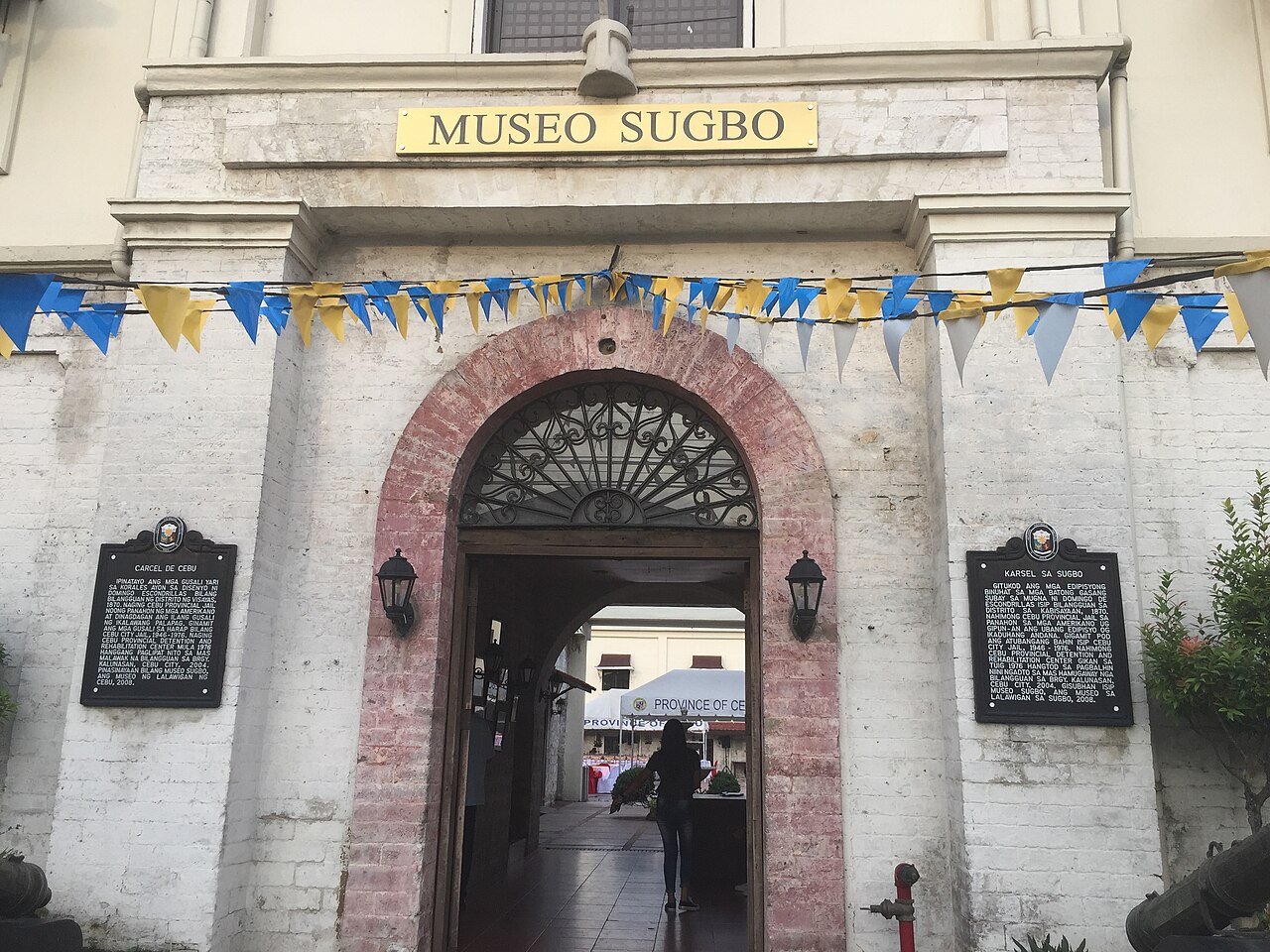
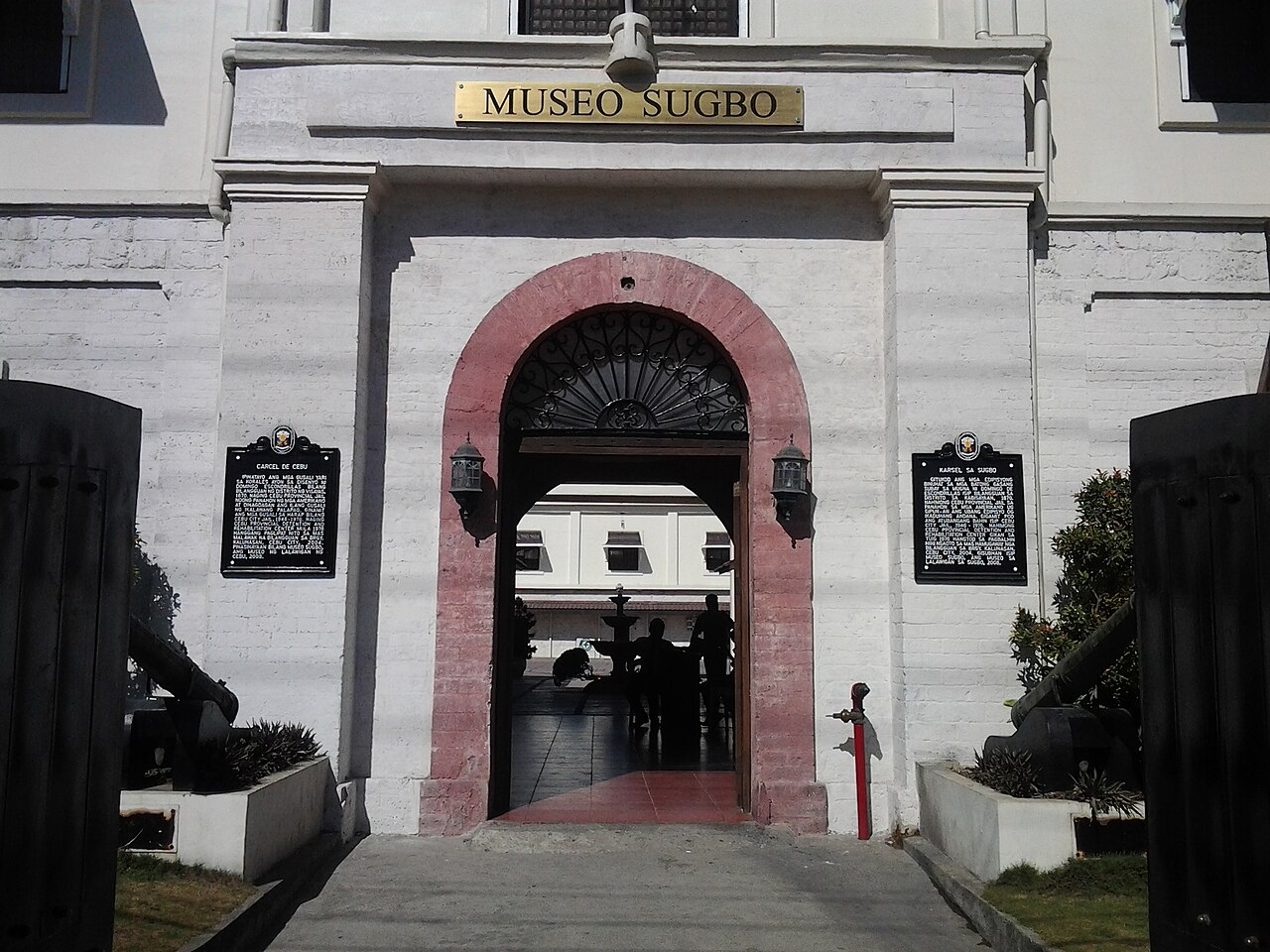
Museo Sugbo is the provincial museum of Cebu, housed in the former Cárcel de Cebú, a jail with roots in the Spanish colonial era. The location immediately gives the museum a different feel from a purpose-built gallery. Walls that once separated people from the outside world now serve as a place where visitors can learn how Cebu’s society changed.
What the galleries explore
Displays have covered Cebu’s pre-colonial communities, Spanish-era administration, later American and Japanese periods, and more recent local culture. Exhibitions may be reconfigured, so do not treat a particular room as guaranteed. The appeal is the broader picture: different chapters of a complicated history told together rather than as isolated tourist landmarks.
Why it deserves its own visit
It is tempting to squeeze Museo Sugbo into an already full heritage itinerary, but a little time makes all the difference. Read the object labels and watch for details of everyday life, not just important dates. Pottery, documents and photographs can often tell you more about a place than an impressive statue ever could.
What is practical to know
The museum is on M. J. Cuenco Avenue, away from the very centre of the Magellan’s Cross walking circuit. A taxi or ride-hailing trip can be a sensible option in the midday heat. Cebu’s provincial government reported the museum’s reopening in 2025, but always confirm the current opening days and any special closures before you go.
Combine it with Parian
Parian’s heritage houses and Museo Sugbo complement each other nicely. One introduces domestic life through historic rooms; the other tells the wider story of the province. With a relaxed schedule, this makes an excellent history-focused day in Cebu City.
More photos from the location
Explore the destination through real photographs. Select a picture to open it full size.
Location and map
Museo Sugbo, M. J. Cuenco Avenue, Cebu City. Map pins are approximate visitor locations; follow local signs and verify access before travelling.
© OpenStreetMap contributors. The map and directions open independently of Speak Bisaya.
Photo credits and licences
Images are credited to their original creators under their stated licences.
- Museo Sugbo, Cebu City · Photo: Carlo Joseph Moskito · CC BY-SA 4.0 · Original photo · Licence details
- Museo Sugbo, Cebu City · Photo: Ringer · CC BY-SA 4.0 · Original photo · Licence details
Speak like you are there
Useful Bisaya from this story
Turn the story into something you can say.
Discovering Cebuano culture makes the language memorable. Speak Bisaya connects that context to pronunciation, stories, practical phrases and structured learning.
Keep exploring
Cebu travel
Exploring Parian: Casa Gorordo, Yap-Sandiego House and Old Cebu
Explore Parian in Cebu City with a guide to Casa Gorordo, Yap-Sandiego Ancestral House, heritage streets, photography and where to go next.
Read nextCebu travel
Fort San Pedro and the National Museum: A Cebu Waterfront History Walk
Visit Fort San Pedro, Plaza Independencia and the National Museum of the Philippines – Cebu, with maps, photographs and a practical walking route.
Read nextCebu travel
Best Things to Do in Cebu City: History, Food, Culture and Family Days Out
Discover the best things to do in Cebu City, from Parian heritage houses and museums to markets, temples, food stalls and family attractions. Includes photos, maps and useful Bisaya.
Read next