


The History of the Bisaya Language
Bisaya did not start with Spanish ships or colonial dictionaries. Cebuano belongs to a much older Austronesian story, shaped over centuries by migration, trade, colonisation, writing and the way people simply talk to each other.
What you’ll learn
The bigger picture before you dive in
Where Cebuano sits in the Austronesian language family.
How trade, Spanish contact, print and migration shaped the language.
Why Cebuano today is both old in ancestry and thoroughly modern in use.
Deep Austronesian roots
Cebuano sits within the Bisayan group of the Philippine branch of the Austronesian family. Its ancestry reaches far beyond the colonial era. European records are useful evidence about older Cebuano, but they did not create the language — it was already there.
Calling Cebuano Austronesian places it inside one of the world’s great language families, stretching across Island Southeast Asia and far into the Pacific. That does not mean Cebuano is unchanged from some ancient parent language. Languages constantly evolve as communities move, trade, intermarry and create new expressions. What survives is a chain of historical relationships visible in basic vocabulary, sound patterns and grammar. This is why Cebuano’s deepest story begins long before the first surviving European descriptions of Cebu.
Sugbu before the Europeans
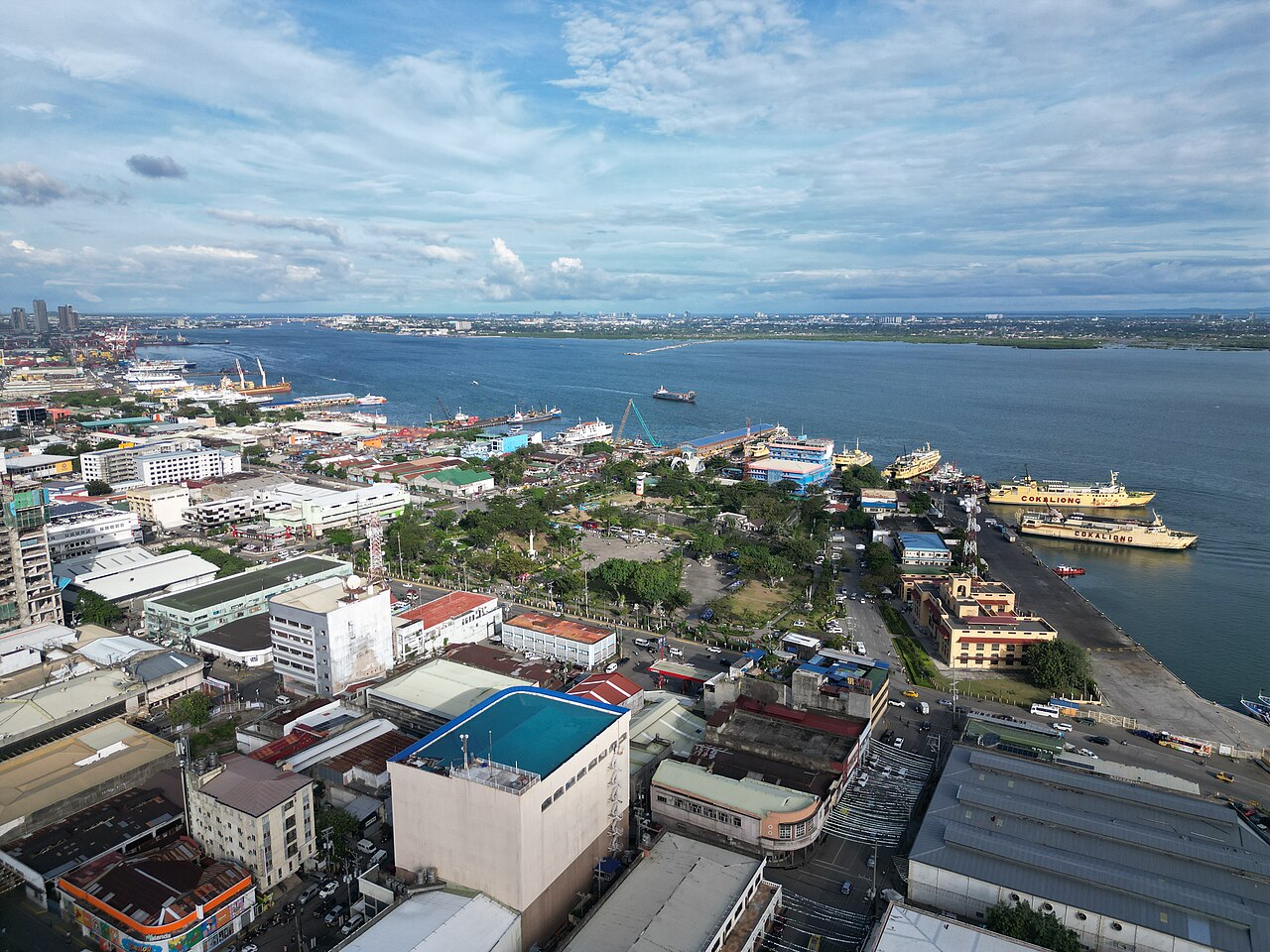
The Province of Cebu describes precolonial Sugbu as an established trading settlement with regional connections. When Magellan arrived in 1521, he found organised communities with their own rulers, trade networks and languages — not a blank slate.
Precolonial Sugbu matters because it overturns the idea of Cebu as an isolated place waiting to be “discovered”. It was already connected to regional trade and maritime movement. A port community naturally comes into contact with outsiders, goods and words. That means language change through contact was already possible before Spanish colonisation. When the 1521 expedition arrived, it entered an existing social and linguistic world rather than creating one from scratch.
Spanish contact and borrowed words
Permanent Spanish settlement began in 1565. Religion, administration, trade and new material culture brought many loanwords. But the language stayed structurally Philippine and kept being used in daily life. Borrowing is normal in language history — it does not mean Cebuano became Spanish.
Spanish rule changed the vocabulary of daily life in obvious ways. Words connected with religion, administration, timekeeping, household objects and imported goods entered Cebuano and were reshaped by local pronunciation and grammar. Yet the core structure of Cebuano remained Philippine and Austronesian. This is an important lesson for learners: borrowing words does not mean a language loses its identity. English has thousands of French and Latin loans and is still English; Cebuano works in much the same way.
From wordlists to dictionaries
Antonio Pigafetta recorded a Cebuano wordlist as early as 1521. Later missionaries produced dictionaries and grammars. In the twentieth century, Cebuano journalism and literature flourished, and John U. Wolff’s 1972 dictionary became a major modern reference.
Early wordlists and later dictionaries are snapshots of the language at different moments. They allow researchers to compare spellings, meanings and usage across centuries. They also remind us that dictionaries do not freeze a language. People continue to invent slang, shift meanings and favour new expressions. Wolff’s twentieth-century dictionary is enormously valuable, but modern speakers still decide what sounds natural in conversation.
A living digital language
Today Bisaya lives in homes, radio, music, messaging, video and online learning. Technology has changed how the language travels, but the reasons people use it remain deeply human: family, humour, work, belonging and everyday conversation.
The digital era has accelerated the visibility of Bisaya. Messaging, social video, music, memes and online communities allow Cebuano speakers in different countries to interact instantly. That creates new vocabulary and new mixes with English and Filipino, but it also gives the language fresh spaces to thrive. For a learner, this is good news: Bisaya is not only a heritage subject. It is a living language used for jokes, arguments, affection, work and everyday life right now.
The key takeaway
Cebuano is ancient in ancestry, shaped by centuries of contact, and fully alive in modern digital life.
Speak like you are there
Useful Bisaya from this story
Turn the story into something you can say.
Discovering Cebuano culture makes the language memorable. Speak Bisaya connects that context to pronunciation, stories, practical phrases and structured learning.
Keep exploring
Language history
What Language Was Spoken in Cebu Before the Spanish Arrived?
What evidence can actually tell us about the language of precolonial Cebu, and why modern labels need to be used carefully.
Read nextLanguage history
Spanish Words in Bisaya: How Contact Changed Cebuano Vocabulary
How centuries of Spanish colonial contact added vocabulary to Cebuano while the language kept its own Philippine grammar.
Read nextCulture
Cebuano Literature: Writers Who Gave Bisaya a Printed Voice
Cebuano writing, journalism and the legacy of figures like Vicente Sotto, whose work helped expand modern Cebuano literature and print culture.
Read next