


Famous People Who Speak Bisaya
Bisaya is not only a language heard in homes, markets and ferries. It is spoken proudly by some of the Philippines’ best-known entertainers, musicians, presenters and athletes. This article focuses on people whose Cebuano/Bisaya connection is documented through public speech, interviews, performances or their mother tongue.
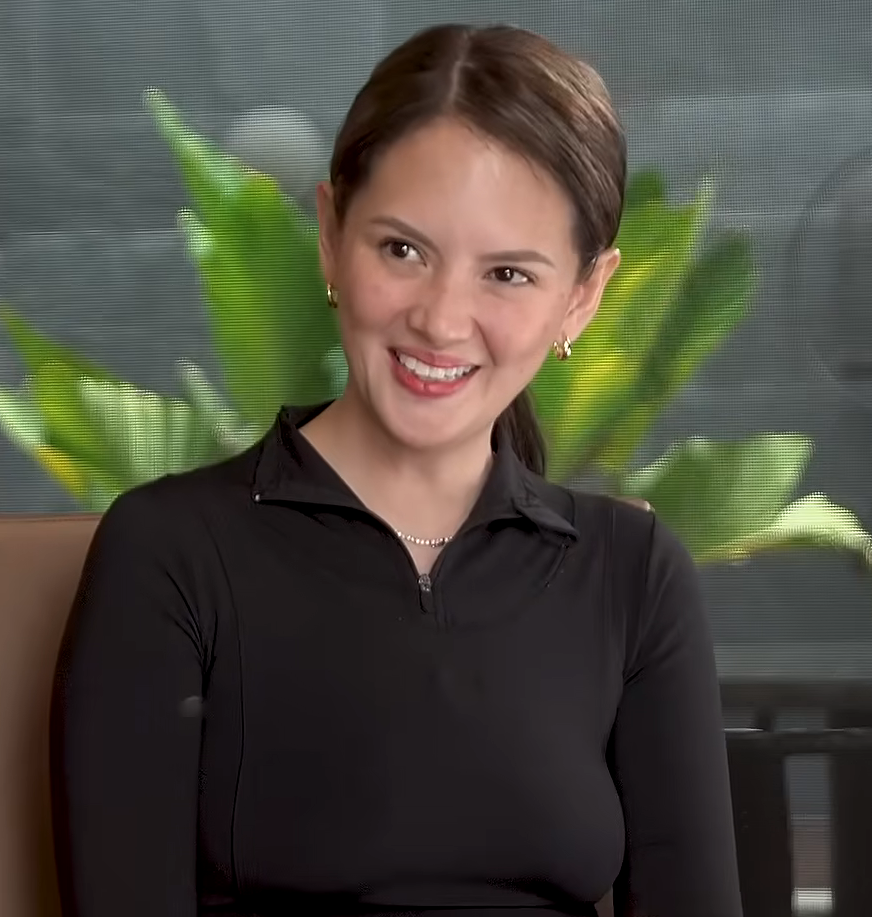
Ellen Adarna
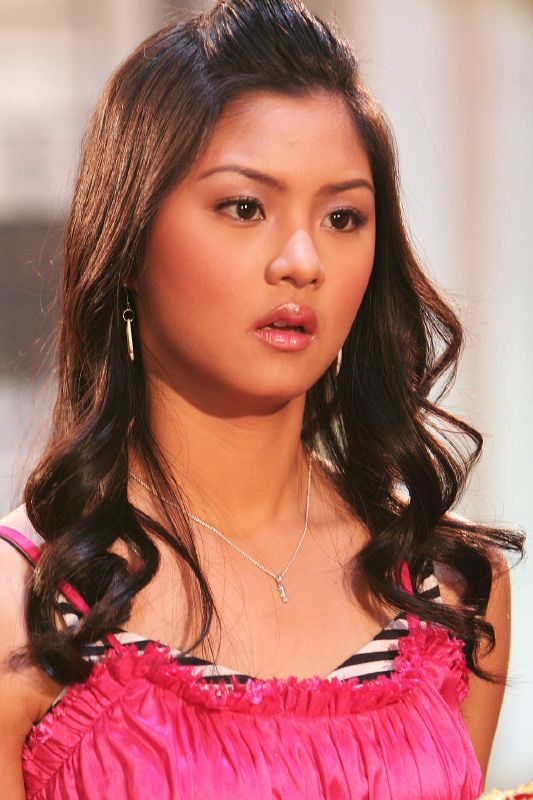
Kim Chiu

The Filipina Pea

Melai Cantiveros
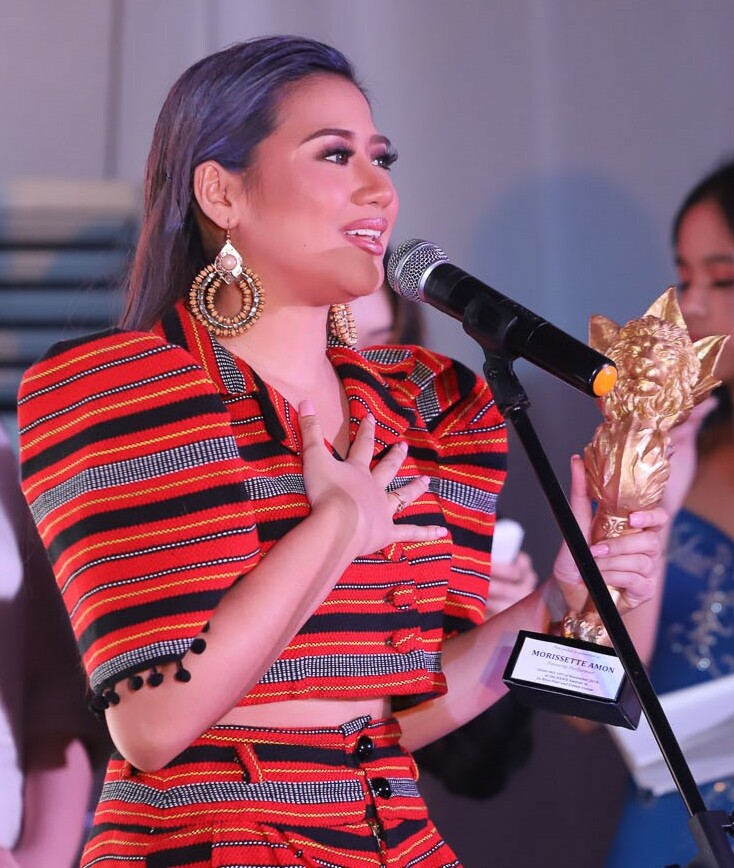
Morissette Amon
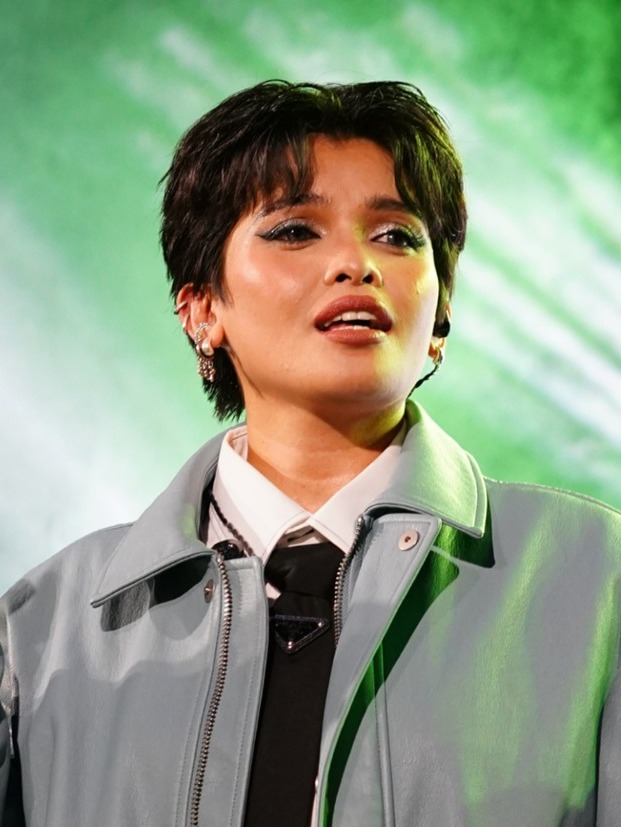
KZ Tandingan
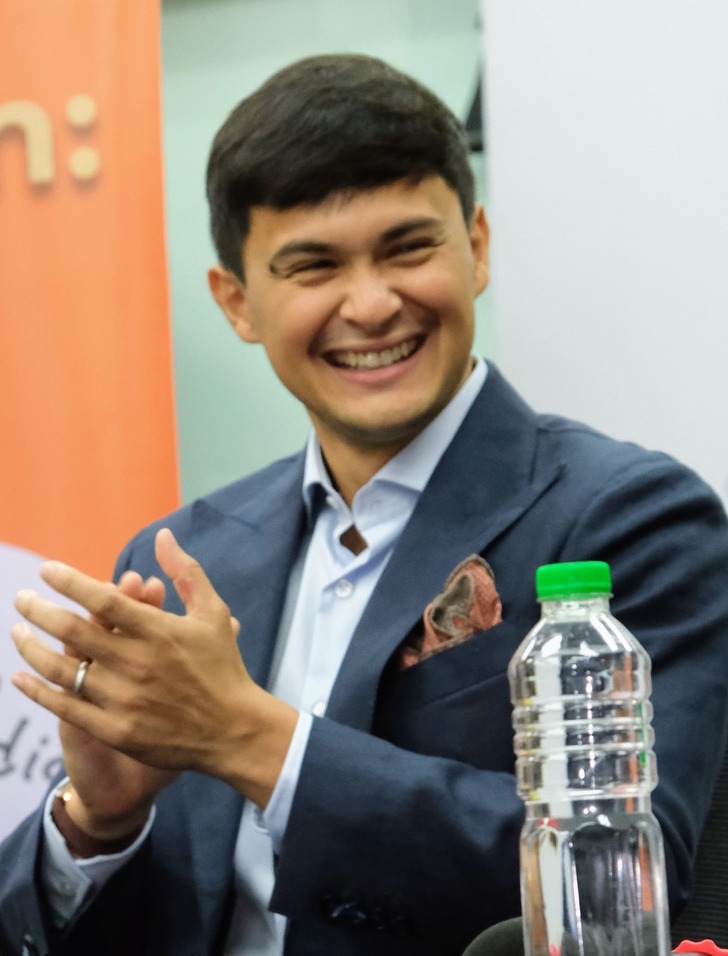
Matteo Guidicelli
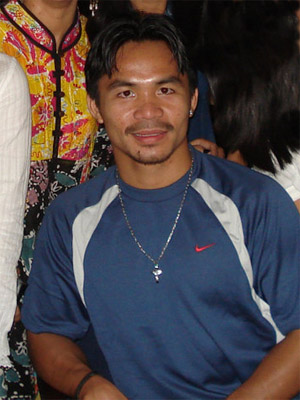
Manny Pacquiao
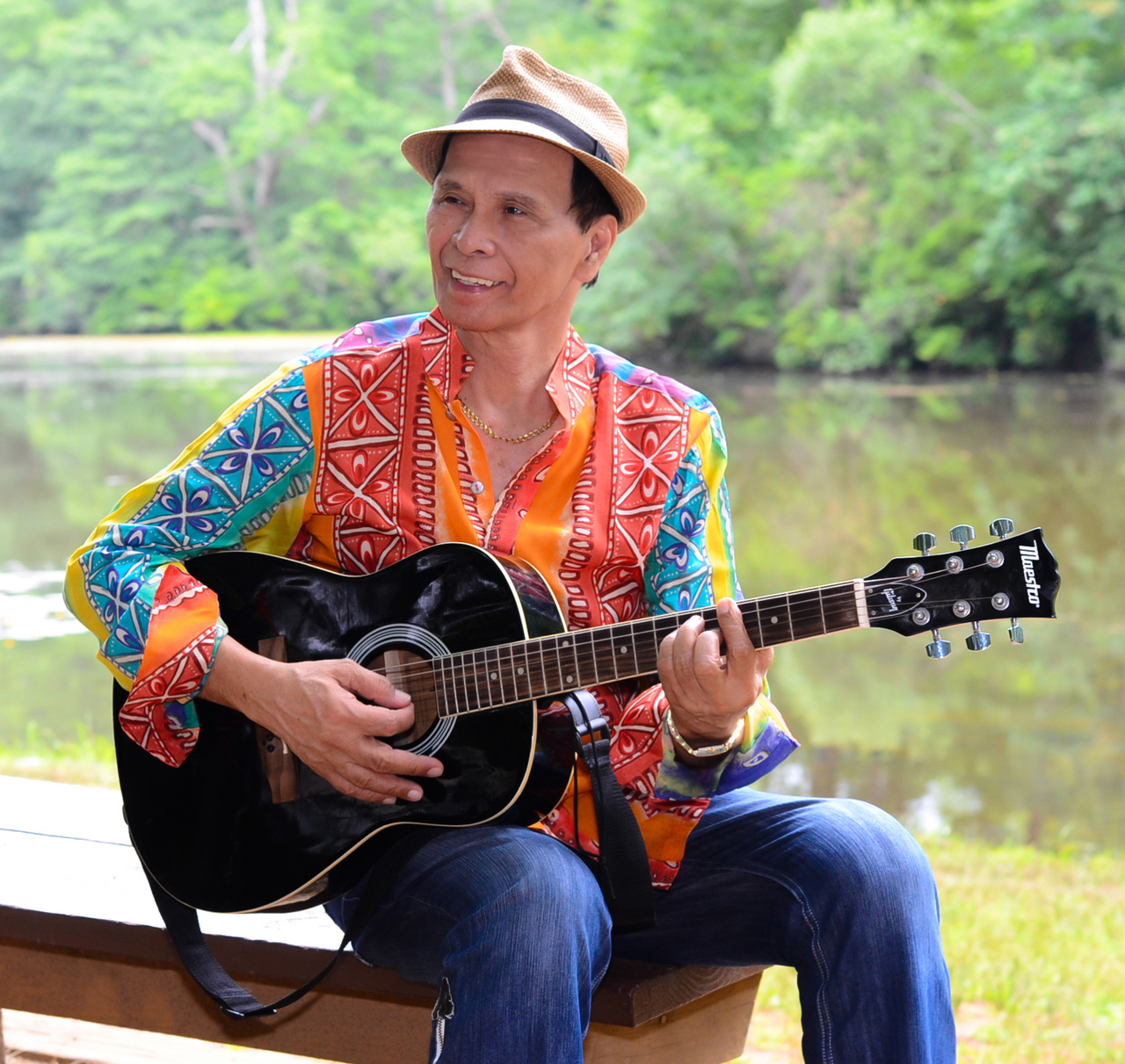
Max Surban
What you’ll learn
The bigger picture before you dive in
Which well-known Filipino celebrities are documented speaking Cebuano/Bisaya.
How television, social media and music can become useful real-world listening material.
Why famous speakers from Cebu and Mindanao reveal the language’s enormous geographic reach.
Featured Bisaya creator
The Filipina Pea
Filipina culture, travel and relationship creator
The Filipina Pea has built an international audience around life in the Philippines, Filipino culture, travel and relationships. She also speaks Bisaya, which makes her especially relevant to learners who want to connect the language with everyday Filipino life, humour, relationships and cultural context.
Visit official siteWhy famous Bisaya speakers matter
Language learning feels more real when the language is attached to actual people. Hearing a familiar actor, singer or athlete switch into Bisaya makes it obvious that Cebuano is a modern public language — not something limited to family conversation or rural life.
A useful rule for this page is evidence before assumption. Being born in the Visayas does not automatically prove someone speaks Cebuano. The people featured here are included because there is public evidence of Bisaya/Cebuano speech, a source identifying Cebuano as a mother tongue, or a career built substantially in Cebuano.
Cebuano on television and social media
Celebrities like Ellen Adarna, Kim Chiu and Melai Cantiveros use Bisaya in settings where the speech is spontaneous, emotional and often funny. That makes celebrity interviews surprisingly useful listening material: speakers interrupt, shorten phrases, switch languages and use the kind of expressions textbooks tend to tidy away.
Ellen Adarna’s Bisaya social-media answers, Kim Chiu’s Cebuano interviews and Melai Cantiveros’s Kuan on One are valuable because they expose learners to unscripted speech. Real conversation includes code-switching, clipped words, jokes and regional pronunciation that rarely appear in beginner exercises.
Music gives Bisaya another voice
Morissette Amon, KZ Tandingan and Max Surban show very different ways Cebuano can appear in music. Contemporary singers take Bisaya into modern pop, while Surban’s catalogue represents a long-running tradition of Cebuano humour and storytelling in song.
KZ Tandingan and Morissette Amon provide a particularly clear example because Cebuano has been described as their mother tongue. Max Surban represents a different generation: long-form Cebuano songwriting in which humour, storytelling and ordinary life are carried directly by the language.
Bisaya reaches far beyond Cebu
Manny Pacquiao and KZ Tandingan are reminders that Cebuano/Bisaya is a major language of Mindanao as well as the Central Visayas. A learner who only associates Bisaya with Cebu misses a large part of the language’s modern geography and cultural reach.
Mindanao matters. Manny Pacquiao and KZ Tandingan help break the misconception that Bisaya simply means “from Cebu”. Cebuano became a major lingua franca across much of Mindanao, so some of the language’s most famous speakers come from outside the Visayas.
Listen for the real language
One of the best ways to improve is to listen to the same speaker in English, Filipino and Bisaya. Notice how their rhythm, confidence, humour and word choice change. Native and highly fluent speakers often sound most relaxed when they return to the language they use with family and friends.
Try searching for interviews with one person on this page and listen first without subtitles. Note repeated particles and phrases, then listen again with context. Celebrity content is not a substitute for structured study, but it can be excellent exposure to natural rhythm and code-switching.
The key takeaway
Bisaya is spoken by nationally and internationally recognised figures, and their interviews, performances and conversations give learners a window into the language as it is actually used.
Bisaya today
Famous people who speak Bisaya
Actors, singers, hosts, athletes and performers with a documented connection to speaking Cebuano/Bisaya in public or using it as a mother tongue.
Ellen Adarna
Actress, model and Cebuana personality
Ellen Adarna is one of the clearest modern examples of a celebrity using Bisaya naturally in public. PEP has reported on her answering followers in Bisaya on Instagram, and she has openly joked about her strong Bisaya accent. Her casual, fast Cebuano is exactly the kind of real-world speech learners eventually want to understand.
Kim Chiu
Actress, singer and television host from Cebu
Kim Chiu grew up in Cebu and has spoken Bisaya repeatedly in interviews and on television. SunStar reported that she spoke her native language in the film Etiquette for Mistresses and switched comfortably into Bisaya when interviewed by Cebu entertainment media. Her appearances with fellow Bisaya host Melai Cantiveros show how much more spontaneous speakers sound in their first language.
Melai Cantiveros
Actress, comedian and television host
Melai Cantiveros is a native Cebuano speaker from General Santos and has made Bisaya itself part of mainstream entertainment. Her talk show Kuan on One was built around conversations with fellow Bisaya stars, giving audiences long-form, natural Cebuano rather than a few token phrases.
Morissette Amon
Singer and songwriter with Cebuano roots
Morissette Amon is closely identified with Cebu and has spoken about creating music in Bisaya. MEGA has described Cebuano as the mother tongue she shares with KZ Tandingan. For learners, singers like Morissette are especially useful because music exposes the rhythm, emotion and sound of the language beyond ordinary textbook dialogue.
KZ Tandingan
Singer-songwriter from Digos, Davao del Sur
KZ Tandingan grew up in Mindanao and shares Cebuano as a mother tongue with Morissette Amon. Her career shows why Bisaya cannot be treated as something belonging only to Cebu: large parts of Mindanao are also deeply Cebuano-speaking, with their own accents and local identity.
Matteo Guidicelli
Actor, singer and athlete from Cebu
Cebu-born Matteo Guidicelli has publicly described himself alongside fellow artists as part of the Bisaya and Cebuano community. In entertainment interviews he has spoken about the instant connection he feels with fellow Bisaya artists, including KZ Tandingan and Morissette Amon.
Manny Pacquiao
World boxing champion and Bisaya public figure
Manny Pacquiao is one of the most internationally recognisable Filipinos associated with Bisaya. He grew up in Mindanao and has addressed Cebu audiences in Bisaya. His public use of the language is a powerful reminder that Cebuano/Bisaya is spoken across a huge geographical area and by people whose careers reach far beyond the Philippines.
Max Surban
Singer-songwriter and icon of Cebuano popular music
Max Surban is inseparable from Cebuano popular music. His humorous and observational songs use Bisaya as the main vehicle for storytelling, comedy and everyday life. For learners, his career shows something important: Cebuano is not just a practical regional language, but a language with its own popular music tradition and distinctive comic voice.
Speak like you are there
Useful Bisaya from this story
Turn the story into something you can say.
Discovering Cebuano culture makes the language memorable. Speak Bisaya connects that context to pronunciation, stories, practical phrases and structured learning.
Keep exploring
People
The Filipina Pea: Why Pea’s Voice Travels So Far
A closer look at The Filipina Pea, the humour and candour behind her work, her Bisaya roots, and why viewers far beyond the Philippines keep coming back.
Read nextLanguage history
Bisaya in Mindanao: How Cebuano Became a Major Language
How migration and settlement made Cebuano/Bisaya a major lingua franca across much of Mindanao.
Read nextLanguage
Where Is Bisaya Spoken?
Where Cebuano/Bisaya is spoken — across Cebu, Bohol, parts of the Visayas and large areas of Mindanao.
Read next