


Carbon Market and Colon Street: The Everyday Heart of Cebu City
Want to know what Cebu feels like when nobody is performing for tourists? Follow the early-morning shoppers, listen to the market conversations and let the ordinary rhythm of the city take over.
Best for
Markets, photography and everyday Cebuano life
Travel from Cebu City
Downtown Cebu City
Allow
1–3 hours
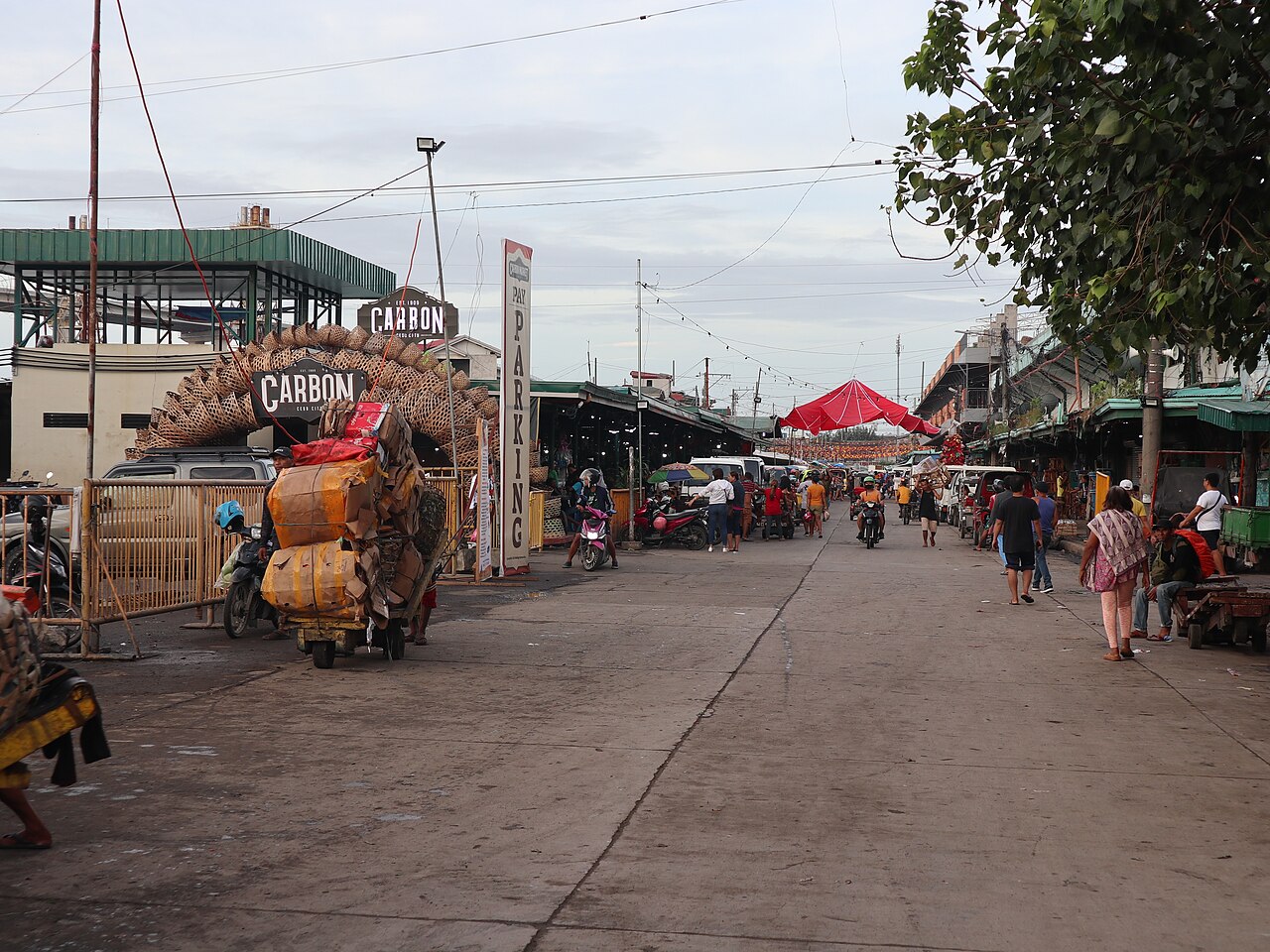
Carbon Market is a working market
Carbon Market is not a polished shopping attraction. It is an important market district where Cebu residents buy ingredients, produce and everyday essentials. Stalls change across the day and the atmosphere can be wonderfully busy. Go with curiosity rather than a rigid shopping list, and remember that the people working there are going about their livelihoods.
What to look for
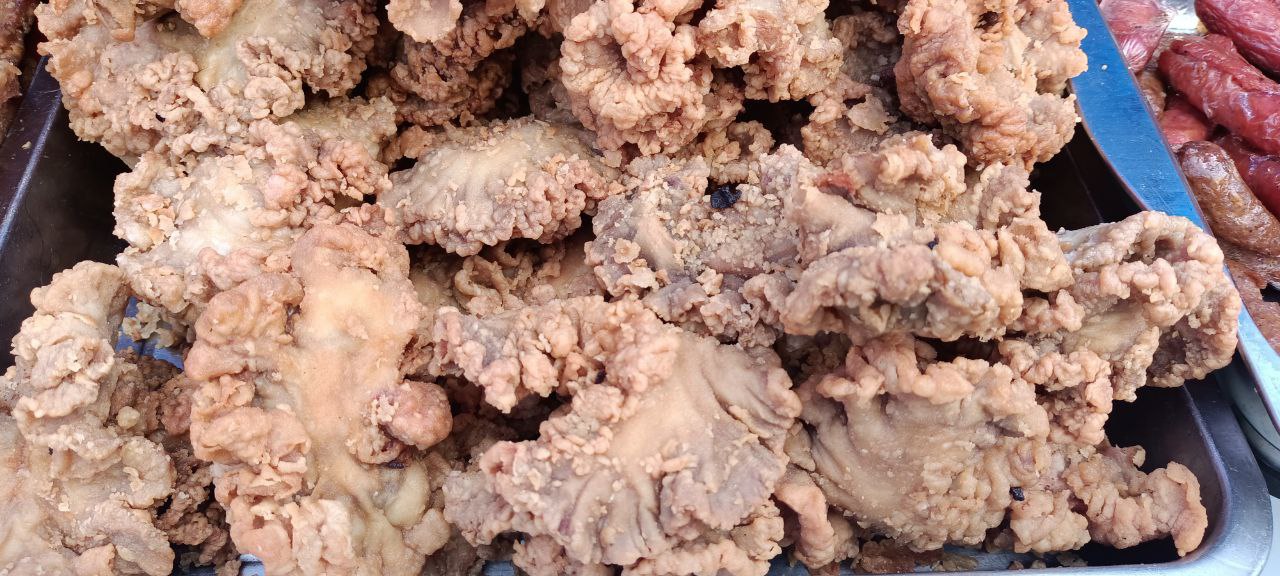
Fresh fruit, vegetables, fish, snacks, woven items and regional produce tell their own story about what Cebu eats and trades. If you are trying local food, choose vendors with fresh ingredients, clean preparation and food being cooked thoroughly. Carry small cash notes and ask politely before taking close-up photographs of stallholders.
Colon Street and the layers of the city
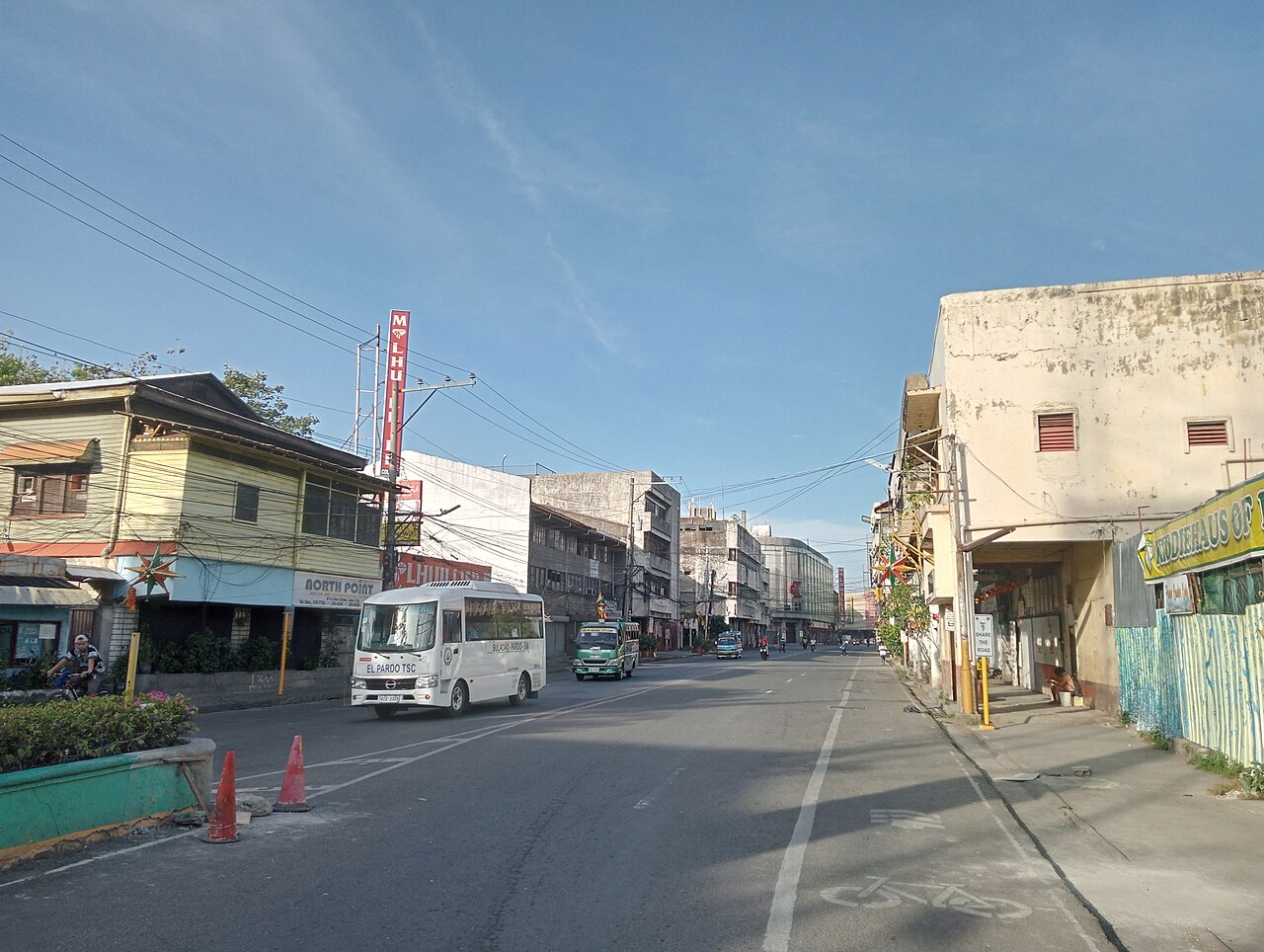
Colon is widely described as the Philippines’ oldest street with roots in the Spanish colonial period. Today it is lively and commercial, surrounded by shops, transport, food stalls and historic markers. It is worth seeing as a piece of living urban history, not because it looks like a preserved museum.
A simple walk, not a forced expedition
Start earlier in the day to avoid the worst heat. Roads, pavements and traffic can be hectic, so take care at crossings, secure your valuables and consider a local guide if you would rather have someone explain what you are seeing. There are no prizes for pushing on when tired; a shaded snack break is part of the experience.
Try your Bisaya in a real conversation
A market is a natural place to practise. “Tagpila ni?” asks “How much is this?” and “Salamat kaayo” means “Thank you very much.” Smile, listen to the reply and do not worry if you need the seller to repeat a number. The exchange is more valuable than perfect pronunciation.
Finish with something delicious
If you enjoy street food, ask for a local recommendation and explore a few familiar Cebuano flavours. Ngohiong, grilled seafood, puso rice and fresh fruit are all worth looking for. An evening food-market outing at IT Park offers a different, more organised setting if you prefer to sit and browse.
More photos from the location
Explore the destination through real photographs. Select a picture to open it full size.
Location and map
Carbon Market, Cebu City. Map pins are approximate visitor locations; follow local signs and verify access before travelling.
© OpenStreetMap contributors. The map and directions open independently of Speak Bisaya.
Photo credits and licences
Images are credited to their original creators under their stated licences.
- Carbon Market, Cebu City · Photo: Patrickroque01 · CC BY-SA 4.0 · Original photo · Licence details
- Colon Street, Cebu City · Photo: Ralff Nestor Nacor · CC BY-SA 4.0 · Original photo · Licence details
- Colon Street, Cebu City · Photo: LadyPinayForever · CC BY 4.0 · Original photo · Licence details
Speak like you are there
Useful Bisaya from this story
Turn the story into something you can say.
Discovering Cebuano culture makes the language memorable. Speak Bisaya connects that context to pronunciation, stories, practical phrases and structured learning.
Keep exploring
Cebu travel
Sugbo Mercado: A Delicious Evening at Cebu IT Park
A practical guide to Sugbo Mercado in Cebu IT Park, including food stalls, local dishes, busy times, what to order and Bisaya phrases.
Read nextCebu travel
What to Eat in Cebu City: Lechon, Puso, Ngohiong and Local Food
A friendly guide to Cebu City’s local food, including lechon, puso rice, ngohiong, seafood, where to try them and useful Bisaya food phrases.
Read nextCebu travel
Best Things to Do in Cebu City: History, Food, Culture and Family Days Out
Discover the best things to do in Cebu City, from Parian heritage houses and museums to markets, temples, food stalls and family attractions. Includes photos, maps and useful Bisaya.
Read next